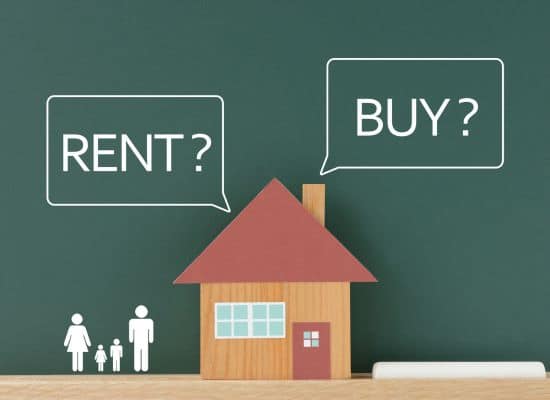
Buying vs Renting in Kenya: Which Is the Better Choice in 2026?
The
buying vs renting debate has become increasingly important for homebuyers, investors and professionals in Kenya. With changing property prices, evolving mortgage rates and rising household costs, many people are asking the same question:
Is it better to buy a home or rent in 2026?
The answer depends on your financial position, lifestyle, long-term plans and the type of property you want. However, for buyers with stable income, access to financing and a long-term plan,
homeownership can offer significant financial and lifestyle advantages.
Kenya’s residential property market is also showing continued movement. According to the latest
Kenya Residential Property Price Index from the Kenya National Bureau of Statistics (KNBS), the average price of residential properties increased by 2.2% between Q2 2025 and Q2 2026. The report tracks apartments, duplexes and standalone houses across different regions of Kenya.
So, if you are considering
buying a house in Nairobi, purchasing an
apartment in Nairobi, or investing in
Kenya real estate, here are the key factors to consider.
1. Buying vs Renting: What Makes More Financial Sense in 2026?
Renting offers flexibility and lower upfront costs, but it does not give you ownership of the property. Buying, on the other hand, requires more capital upfront but allows you to build an asset over time.
For many buyers, the decision comes down to three key considerations:
- Your current income and affordability
- How long you intend to stay in the property
- Whether you want to build long-term wealth through real estate
If you expect to live in the same location for several years,
buying a home in Kenya can become increasingly attractive because your housing expenditure contributes toward an asset rather than simply covering occupancy.
This is particularly relevant in established areas such as
Westlands, Kilimani, Parklands, Lavington, Kileleshwa and Karen, where buyers and tenants continue to seek well-located residential property.
For buyers considering their options, exploring
Emaar’s available properties in Nairobi can provide a useful starting point for comparing different property types, sizes and locations.
2. Kenya’s Property Market Is Changing
The Kenyan real estate market has experienced different cycles over the past few years, with affordability, credit conditions, demand and location influencing property prices.
The latest KNBS data provides a more nuanced picture than simply saying that property prices always rise.
The
Kenya Residential Property Price Index provides official data on residential property price movements across Kenya. The index covers apartments, flats, duplexes and standalone houses and is designed to track changes in property prices while accounting for differences in